
Ballistic Resistant Window Film for Schools in San Francisco

Certified ballistic resistant window film in San Francisco schools — hardening glass entry points against active threats, retaining glass during earthquakes, and protecting Bay Area students and staff with one cost-effective installation.

Why San Francisco Schools Need Ballistic Resistant Window Film

School safety is a priority shared by every district, parent, and community in the Bay Area. San Francisco Unified School District, along with public and private schools across Oakland, Berkeley, San Jose, and the Peninsula, faces the same national landscape of school security threats — combined with California's unique local mandates and the seismic considerations that define building safety across the region. Physical hardening of glass entry points has emerged as a high-impact, cost-effective priority for school facilities teams looking to strengthen their campuses without major construction disruption.

Ballistic resistant window film in San Francisco schools provides certified protection for the glass doors, sidelights, and windows that represent the most exploitable vulnerabilities in any school building. Applied directly to existing glass without replacement, ballistic film holds shattered panels intact under impact — slowing or preventing forced entry, eliminating flying glass hazards, and giving lockdown protocols the time they need to work. It is one of the most defensible investments a school security committee can bring to a board for approval.

California school safety legislation, including requirements under California's School Safety Planning Act, encourages districts to assess and harden physical vulnerabilities as part of their comprehensive safety plans. Ballistic window film directly addresses those requirements at a fraction of the cost of glass replacement.

  • SFUSD and Bay Area Applicability — Film installations tailored to SFUSD's aging building stock and newer Peninsula and East Bay campuses alike.
  • Seismic Zone Compatibility — Film's glass retention function is directly relevant in earthquake country — a unique dual benefit for California schools.
  • California Safety Funding Eligible — Qualifies under state and federal school security grant programs.
  • No Glass Replacement — Applied over existing glass at 85–90% less cost than rated glass substitutes.

What Is Ballistic Resistant Window Film?

Ballistic resistant window film is a heavy-duty, multi-layered polyester security film installed on the interior face of existing glass. It is engineered specifically to absorb and redistribute the energy of high-velocity impacts — including gunshots, explosive blast overpressure, and sustained forced entry with tools. Unlike standard window tints or lighter safety films, ballistic-grade film is classified and tested against national ballistic resistance standards for architectural glazing.

The film's protective mechanism is glass retention: when impact shatters the glass, the film holds all the fragments together rather than allowing them to collapse inward toward occupants or spray as dangerous shards. The glass assembly becomes cracked but not penetrated — and that distinction is critical. An attacker facing film-reinforced glass must strike repeatedly with high force to create a breachable opening, versus a single blow on untreated glass.

Why It Works in Bay Area Buildings

Bay Area school buildings span a wide range of ages and construction types — from pre-war SFUSD structures to modern glass-curtain-wall campuses in Silicon Valley. Ballistic film is compatible with all standard glass types: annealed, tempered, laminated, and insulated glass units. It works equally well on historic single-pane windows in older Mission District schools and floor-to-ceiling curtain wall systems in newer East Bay facilities.

  • Tested Under ASTM F1233 and NIJ 0108.01 — Independent certification of ballistic resistance performance in controlled test conditions.
  • All Glass Types Supported — Works on annealed, tempered, laminated, and insulated glass units across building types.
  • Seismic Glass Retention — The same retention function that slows intruders holds glass intact during earthquake shaking, reducing injury from glass failure.
  • Optically Clear — No tinting or visible change to glass appearance from inside or outside the building.
  • Marine Climate Durable — Quality adhesive systems resist delamination in San Francisco's cool, fog-influenced, salt-air coastal environment.

How Ballistic Film Protects Bay Area Students During an Active Threat

When a school threat occurs, the effectiveness of the response depends almost entirely on how well the facility's physical envelope can hold. San Francisco and Bay Area schools that have invested in lockdown protocols, security cameras, and access control systems often overlook the most basic vulnerability: the glass in their front doors can be broken with a single blow, granting immediate entry. Ballistic film closes that gap directly.

A film-reinforced glass door or sidelight under ballistic impact may fracture — but it stays in the frame. The attacker must repeat high-force strikes to create an opening, spending valuable time, generating significant noise, and becoming increasingly exposed. That delay — even 60 to 90 seconds — is the difference between a lockdown that works and one that is bypassed before it can take effect. Ballistic resistant window film in San Francisco schools integrates seamlessly with existing security infrastructure and adds measurable protection without requiring any change to existing procedures.

  • Meaningful Entry Delay — Multiple forceful impacts required versus a single strike on unprotected glass.
  • No Flying Glass Injuries — Retained fragments cannot spray into occupied classrooms during an impact event.
  • Lockdown Protocol Compatibility — Film works with every existing shelter-in-place procedure; no retraining required.
  • Earthquake Dual Benefit — Glass retention in seismic events prevents secondary injury from window failure during tremors.
  • All Entry Points Addressed — Doors, sidelights, lobby glass, corridor windows, and gymnasium panels can all be treated.

Our Schools & Universities window film services are designed specifically for the requirements of Bay Area educational institutions, from SFUSD campuses to Peninsula private schools and East Bay charter networks.

NIJ, UL, and ASTM Certification: Performance You Can Document

School boards, district business managers, and California Department of Education reviewers expect documented evidence for security procurement decisions. Our ballistic resistant film installations use exclusively products certified under the leading national standards for ballistic glazing resistance — meaning every specification we provide is backed by independent test data, not just manufacturer claims.

The key standards governing ballistic film performance for school applications are NIJ Standard 0108.01, UL 752 (Bullet-Resisting Equipment), and ASTM F1233 (Security Glazing Materials and Systems). Products rated under these standards have been tested in controlled ballistic impact scenarios at specified calibers and velocities. We provide the full test documentation for every product we specify, supporting your board approval and California safety grant reporting requirements.

Rating Levels for School Applications

  • NIJ Level I–II — Covers .38 Special through 9mm and .357 Magnum; appropriate for school main entrance and classroom applications.
  • NIJ Level III — Covers .357 SIG and .44 Magnum; for higher-threat urban environments including San Francisco and Oakland campuses.
  • UL 752 Levels 1–3 — Architectural equivalent ratings commonly specified in California school security projects.
  • ASTM F1233 Class A/B — Resistance to sustained manual attack with tools; critical for forced entry scenarios.
  • California Title 24 Compatibility — Our products are selected to be compatible with California's building energy and glazing standards.

A Seismic and Security Double Win: Protecting Every Entry Point

San Francisco and the broader Bay Area sit within one of the most seismically active regions in the United States. The Hayward and San Andreas faults represent genuine ongoing risk, and school administrators in the region must plan for both human-caused threats and natural disasters simultaneously. Ballistic resistant window film addresses both threat categories with a single installation — a rare and powerful value proposition that is unique to seismic markets like the Bay Area.

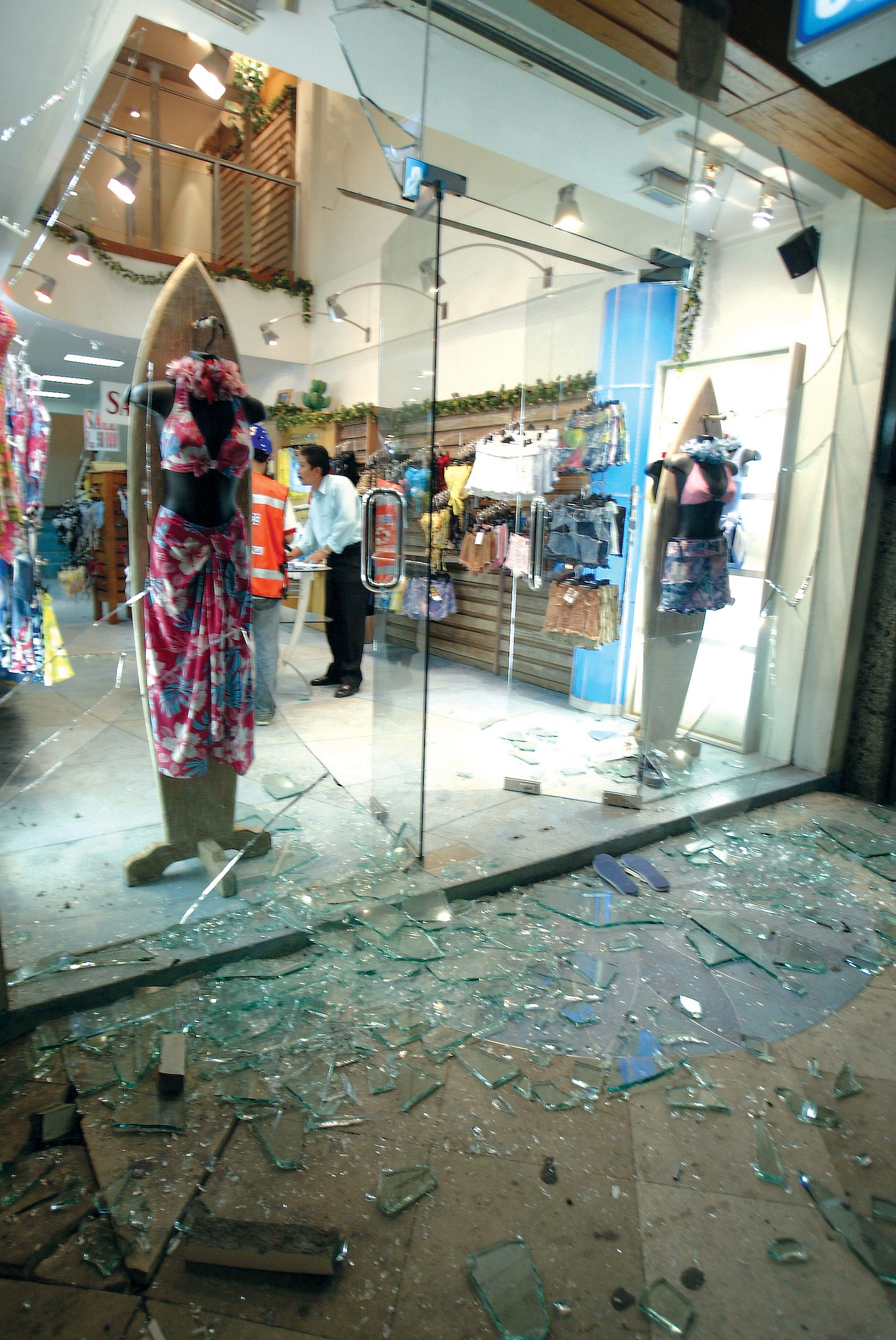
During an earthquake, glass failure is one of the most common sources of injury. Windows and glass doors that shatter and collapse inward create immediate hazards for students and staff. The same glass retention mechanism that slows a ballistic intruder also holds earthquake-shattered glass in place, preventing it from collapsing into occupied areas. This dual benefit makes ballistic film an unusually high-value investment for Bay Area school facilities budgets.

Priority Application Areas for Bay Area Schools

  • Main Entrance Vestibule — Highest priority for both security hardening and seismic glass retention.
  • Administrative Office Glass — Protects staff who control access and manage emergencies during any threat event.
  • Classroom Door Sidelights — The most common security breach point; a top priority in every SFUSD and Bay Area campus assessment.
  • Gymnasium and Multipurpose Room Windows — Large-span glass in shelter-in-place spaces requires both security and seismic protection.
  • Older Building Single-Pane Windows — SFUSD's aging building stock includes many single-pane windows with elevated earthquake hazard; film dramatically improves their safety profile.

See also our dedicated earthquake mitigation window film page for the full picture of how film reduces seismic glass hazards across Bay Area school and commercial buildings.

Additional Classroom Benefits: UV Blockage, Glare Control, and Comfort

Ballistic resistant window film is a multi-benefit product, and in San Francisco's climate, the secondary benefits are genuinely meaningful. While the Bay Area's fog and mild temperatures reduce the solar heat gain concerns common in hotter climates, UV radiation remains a significant factor throughout the year — even on overcast days. UV rays penetrate cloud cover and standard glass, causing cumulative skin exposure for students who spend hours near windows, and accelerating the fading of classroom materials, furnishings, and flooring.

Bay Area schools also deal with directional glare — particularly during winter months when the low sun angle creates blinding glare through east- and west-facing windows. This kind of glare disrupts instruction, strains students' eyes, and interferes with interactive displays and screens. Ballistic film's layered construction naturally diffuses this glare while maintaining the natural light and views that are central to a healthy learning environment.

What San Francisco Teachers Notice

  • Up to 99% UV Blockage — Year-round protection from ultraviolet radiation even on overcast Bay Area days; preserves classroom materials from UV fading.
  • Winter Glare Control — Reduces low-angle winter sun glare on screens and boards in east- and west-facing classrooms.
  • Maintained Views and Daylight — Optically clear film preserves San Francisco's famous natural light quality in classrooms.
  • Reduced Cold-Weather Drafts — Film adds a thin insulating layer that slightly reduces drafts near single-pane windows in older SFUSD buildings.
  • Longer-Lasting Furnishings — UV protection extends the life of classroom carpets, furniture, artwork displays, and educational materials.
  • No Visible Tinting — Classrooms look identical before and after installation; no perception of being "darkened."

Why Window Film Wins on Budget for Bay Area School Districts

California school districts operate under some of the most constrained budget environments in the nation, with facilities deferred maintenance backlogs competing directly against security upgrade priorities. Bullet-resistant glazing replacement — while effective — is simply not a realistic solution at campus scale for most Bay Area districts. A single bullet-resistant storefront system can cost $5,000 to $12,000 per opening or more in the Bay Area's high construction cost environment. A campus with 50 vulnerable glass entry points would require $250,000 to $600,000 in glass replacement alone.

Ballistic resistant window film in San Francisco schools delivers comparable glass-retention and forced-entry resistance at 85 to 90 percent less cost per opening. That cost differential transforms an otherwise unreachable project into a fundable, executable, and completable campus upgrade within a realistic budget cycle — and it qualifies for the same grant funding streams as more expensive alternatives.

Budget Advantages for California Districts

  • 85–90% Lower Per-Opening Cost — Film protection at a fraction of equivalent rated glass replacement pricing in Bay Area construction markets.
  • No Structural Modifications — Existing frames, hardware, and access control systems remain entirely in place.
  • California School Safety Grants — Eligible under California's School Safety Infrastructure grants and federal STOP School Violence Act funding.
  • Phased Implementation — Start with highest-risk entry points; expand to full campus over subsequent budget years.
  • Dual Safety ROI — One product investment addresses both active threat and seismic glass hazard — maximizing the return on every dollar spent.
  • 10–15 Year Product Lifespan — Long-term value with minimal ongoing maintenance cost.

Clean, Fast Installation: No Disruption to Bay Area School Schedules

Installation complexity is a legitimate concern for schools operating under California's demanding academic calendar. The good news: ballistic window film installation is about as non-disruptive as a facilities upgrade can be. There is no demolition, no glazing replacement, no structural work, and no hazardous material disposal. Our technicians apply the film directly to the glass surface using professional tools and solutions, clean up completely when they finish, and leave the classroom ready for immediate use.

A standard classroom window or door panel takes 30 to 60 minutes. A main entrance vestibule with multiple panels can typically be completed in a single day. There is no curing downtime that prevents use of the space — the treated glass is functional immediately, with the adhesive reaching full bond strength over approximately 30 days.

Bay Area School Installation Approach

  • After-Hours and Weekend Scheduling — Most installations are scheduled outside of school hours, including early evenings and weekends, at no additional cost.
  • Winter and Spring Break Priority — Bay Area school breaks are prime installation windows; we plan well ahead to hold preferred dates.
  • Background-Checked Crew — Every technician is vetted and identified; we provide documentation for SFUSD and district approval processes.
  • Room-by-Room Sequencing — For in-session work, we sequence installations room by room to avoid any disruption to ongoing classes.
  • Final Walk-Through — We complete a detailed inspection with your facilities manager before leaving the campus.
  • Written Care Guide — Custodial staff receive clear written instructions for cleaning and maintaining film-treated glass.

Review our complete window film installation process to understand every step from initial site assessment to project completion.

Trusted Brands We Install for Bay Area School Security

Product quality is the foundation of every effective security film installation. We stock and install exclusively from the industry's most tested and trusted security film manufacturers — brands specified by federal agencies, military facilities, and school districts across the country. For San Francisco and Bay Area school projects, we select products based on ballistic performance, adhesive durability in the region's coastal environment, and compatibility with the specific glass types common in Bay Area school construction.

Our Bay Area school security portfolio includes 3M, LLumar, Vista, Solar Gard, Madico, and C-Bond Systems. C-Bond's nanotechnology adhesive system deserves particular mention in the San Francisco context: its molecular bonding outperforms standard pressure-sensitive adhesives in cool, fog-influenced environments where temperature cycling and moisture can challenge conventional film adhesion over time.

Featured Security Film Brands

  • 3M Safety Series — The most widely specified security film for government, military, and educational facilities; extensively tested and documented for procurement support.
  • LLumar Safety Series — Outstanding optical clarity with strong ballistic retention; top choice for main entrances where aesthetics are a priority.
  • C-Bond Systems — Molecular nanotechnology bonding that outperforms conventional adhesives in coastal and fog-influenced environments like San Francisco.
  • Vista Safety Films — Multi-layer construction with strong seismic glass retention performance — particularly relevant in the Bay Area's earthquake zone.
  • Solar Gard Safety Films — Proven security performance with UV and glare control benefits that matter year-round in California's coastal climate.

We also offer bomb blast window film for facilities requiring blast mitigation alongside ballistic resistance. Explore our complete safety and security window film solutions for institutional facilities across the San Francisco Bay Area.

Download C-Bond Technical Resources

C-Bond Systems provides detailed technical documentation for their security window film products. Share these resources with your facilities team, school board, or grant committee:

Serving Schools Across the San Francisco Bay Area

San Francisco Window Film serves educational institutions throughout the greater Bay Area, from SFUSD campuses in San Francisco and the city's neighborhoods to public and private schools across Oakland, Berkeley, the East Bay, the Peninsula, Silicon Valley, and the North Bay. Our team is experienced working with the specific procurement processes, facilities protocols, and scheduling constraints of California school districts — and we understand the seismic considerations that make window film an especially high-value investment in this region.

We work directly with district facilities managers, school safety officers, risk managers, and business administrators to develop installation proposals that address both security and seismic priorities. We support the full project lifecycle — from initial site assessment through board presentation, grant documentation, installation execution, and final compliance records.

Bay Area Service Areas

  • San Francisco (SFUSD) — Full campus coverage for all school types across San Francisco's neighborhoods.
  • Oakland and East Bay — Serving Oakland Unified, Berkeley Unified, and surrounding East Bay districts.
  • Peninsula and Silicon Valley — Available for districts from San Mateo through Palo Alto, Sunnyvale, San Jose, and beyond.
  • North Bay — Serving Marin County, San Rafael, Vallejo, and surrounding communities.
  • South Bay — Extended coverage for Santa Clara County school districts and private campuses.

Contact us to schedule a no-cost campus assessment and detailed proposal. We serve the full Bay Area and are ready to help your district take a meaningful step toward a safer learning environment.

Ready to Protect Your San Francisco Bay Area School?

Bay Area school campuses face a convergence of threat factors that makes ballistic resistant window film a uniquely compelling investment: active shooter risk, California's seismic environment, and one of the nation's highest construction cost markets that makes glass replacement economically impractical at scale. Window film addresses all three with a single, professionally certified installation.

Our team will assess your campus at no cost, identify your highest-priority glass surfaces, and provide a detailed written proposal with clear pricing and timeline options. We support your district through board approval, grant documentation, scheduling, and post-installation compliance records — making the entire process as straightforward as possible.

  • Free Campus Security Assessment — No-cost site evaluation and written proposal covering your full facility footprint.
  • Flexible Scheduling — After-hours, weekend, and school break installations available throughout the Bay Area.
  • California Grant Documentation — Complete product specifications and compliance records to support state and federal safety funding applications.
  • Seismic and Security Coverage — One installation that addresses both active threat and earthquake glass hazard.
  • Full Workmanship Warranty — Every installation backed by our complete satisfaction guarantee.

Contact us today to schedule your free Bay Area school security assessment. Let us help you build a safer campus for every student and educator in your community.


Get a Quote